

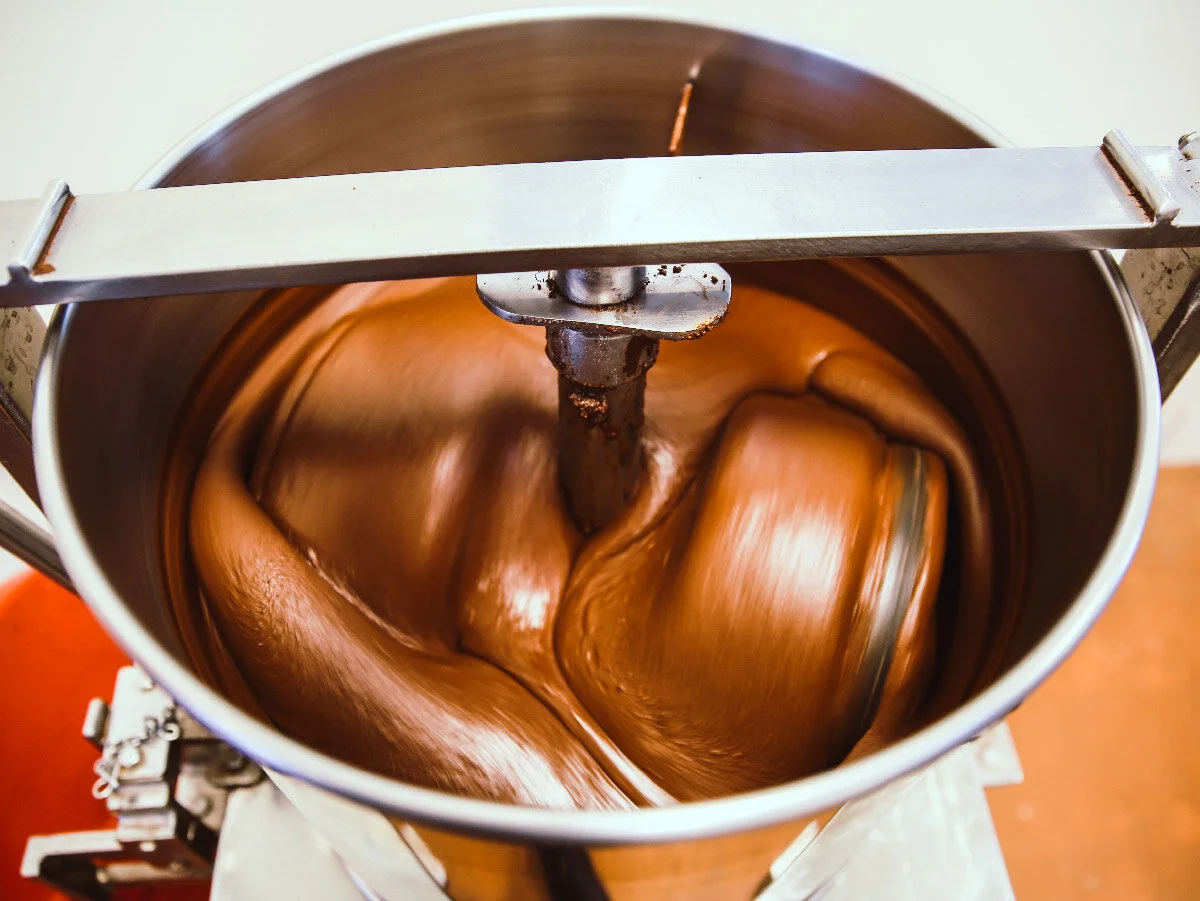
The movement and precise distribution of viscous liquids, such as melted chocolate, form the backbone of many manufacturing operations. This process often evolves through distinct stages, starting from basic fluid transport and moving toward highly synchronized, multi-lane delivery systems. Achieving consistency in these environments requires a deep understanding of the mechanical systems that manage material flow.
Initial Setup for Material Transport
When establishing or upgrading a liquid processing line, the focus begins with the movement of product from storage to the processing stations. The goal at this early stage is to maintain the integrity of the material throughout its journey. For substances like chocolate, this is a delicate balance. High shear forces or inconsistent pressure can alter the texture or appearance of the final product.
Professionals in this field often prioritize the selection of chocolate transfer pumps designed for gentle handling. Unlike standard industrial pumps, these units are engineered to minimize agitation. Many operators look for equipment that offers smooth, non-pulsing delivery, which helps maintain the viscosity and temper of the product. Ensuring that the pump technology aligns with the material’s specific properties—such as its sensitivity to temperature and its tendency to solidify if movement stops—is a primary consideration during the initial layout of the production line.
Managing Complex Distribution Needs
As production requirements grow, the need to divide a single stream of product into multiple, equal parts becomes necessary. This is where the transition occurs from simple transport to controlled distribution. The introduction of flow dividers marks a significant shift in operational capability. These components act as a bridge between the primary pumping system and the various deposition or coating stations.
Integrating these devices involves careful planning regarding lane pressure and flow balance. When a system relies on a divider to split material across several lines, it is essential that each outlet receives a consistent volume. Inconsistent distribution at this stage can lead to weight variations in the final product or uneven coverage during coating processes. Addressing these challenges involves fine-tuning the mechanical settings of the divider to account for factors like pipe diameter, path length, and the physical characteristics of the liquid. Operators often consult with technical experts to calibrate these systems, ensuring that the output remains uniform even as production speeds fluctuate.
Signs of System Performance and Maintenance
Observing the performance of the system over time reveals when adjustments are needed. Because these components function as an integrated whole, a decline in efficiency in one area often signals a need to review the entire delivery sequence.
Operators should monitor for common indicators of wear or imbalance, such as fluctuations in pressure readings or visual inconsistencies in the material flow at different outlets. A well-maintained system typically exhibits stable, quiet operation. If the flow becomes erratic or if the pump motor shows signs of increased strain, it may be time to evaluate the internal seals or the condition of the distribution chambers.
Establishing a routine for assessing these systems is a common practice among experienced teams. This typically involves:
- Regularly checking the calibration of flow dividers to ensure parity across all lines.
- Inspecting the wear components of chocolate transfer pumps to prevent failures during peak production hours.
- Monitoring thermal control systems, as even slight changes in temperature can dramatically alter how material moves through these precision components.
By focusing on these indicators, a team can proactively address potential bottlenecks rather than waiting for a complete stoppage.
Achieving Long-Term Reliability
Sustaining consistent results over the long term requires a shift in perspective from reactive maintenance to strategic system oversight. It is not enough to ensure the machinery functions; it is important to understand the broader relationship between the equipment and the production output.
Many successful operations invest time in documenting the performance of their chocolate transfer pumps and flow dividers under various operating conditions. This documentation helps in establishing a baseline for expected flow rates and pressure levels. When a system is well-mapped, any deviation becomes immediately apparent, allowing for quick, targeted adjustments rather than broad system resets.
Furthermore, training staff to understand the mechanics behind the flow helps build a culture of operational awareness. When the team understands why a specific pump setting is critical for maintaining product consistency, they are better equipped to notice minor variations before they impact the final quality.
Looking toward the future of any processing facility, the emphasis remains on balance—the balance between speed and precision, and between output volume and product quality. The integration of high-quality pumping and distribution equipment serves as the foundation for this balance. As technology in the processing sector continues to refine, the focus on meticulous calibration and preventive care will remain the most reliable strategy for maintaining a competitive and efficient production environment.
Comments are closed.