

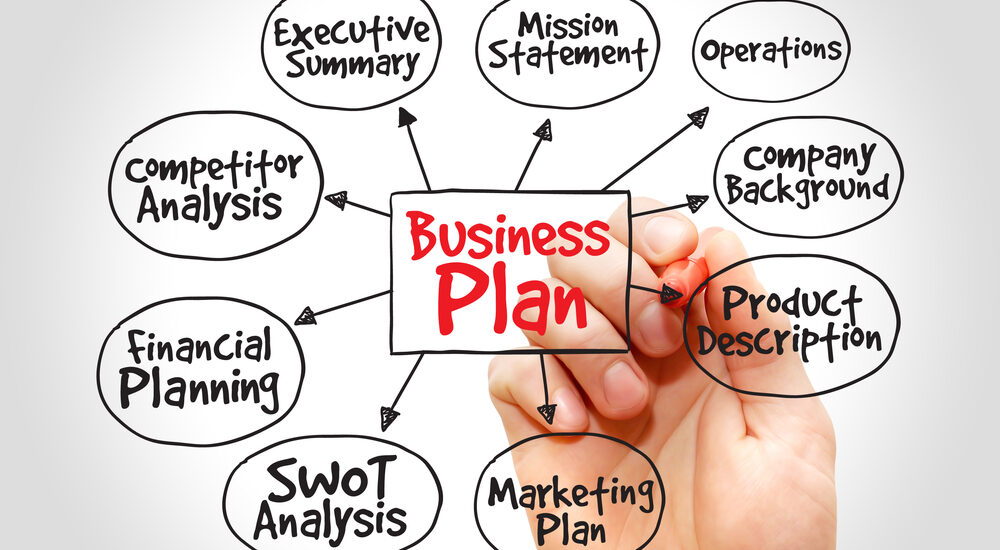
Securing an investment is among the largest milestones of any start-up. It will energize product creation, grow your staff, open new markets, and maximize your growth. However, a great, competitive business plan for startups is what you must have before you pitch your idea into anyone with a checkbook.
Imagine your business plan as the blueprint which will explain to investors, not only what your startup is, but what it can become as well, and how their money will help you do so. Investors do not simply support an idea, but a plan, a strategy and individuals. This is why the correct business plan is the key.
It is time to understand the plan that every startup must be ready with before approaching investors.
Why Investors Care So Much About Your Business Plan
Investors balance opportunities on the basis of potential returns, competitive advantage and risk. The business plan should be properly ready, hence enabling them to critically evaluate all the three. This is what your plan is telling the investors:
- You’re serious and prepared: It demonstrates that you calculated operations, finances, and long-term strategy.
- You understand your market: The investors desire to see demonstrations that you are not just guessing, that your research can support all claims.
- You’re capable of managing investment responsibly: They must have the assurance that you will spend their money well and efficiently.
- You have a roadmap for growth: No investor desires a quick-fix concept– they desire growth, long-range potential.
Investors will continue to hold back if your plan is not clear, too optimistic or missing important details. A powerful business strategy will, however, provide you with a legitimate opportunity to get their attention and confidence.
Key Elements Every Investor-Ready Business Plan Should Include
- Executive Summary
It is the opening page that investor read and your make-or-break moment. It should highlight:
- The problem you solve
- Your unique solution
- Market need
- Business model
- Funding required
- Expected ROI
- Company Overview
This part tells your story. Share:
- What your startup does
- Your mission and vision
- Founding date
- Where you’re based
- Business structure
- Long-term goals
Investors would be interested in knowing not just what you do, but why you are doing it.
- Problem & Solution
Startups that work find solutions to real problems. Use this section to:
- Get market pain point clear.
- Prove why existing solutions are inadequate.
- Demonstrate how your product/service is more effective.
Investors love clarity—don’t bury your value proposition in jargon or complexity.
- Market Analysis
This is where you show that you have a real audience and a real market potential. Include:
- Market size (TAM, SAM, SOM)
- Industry trends
- Demographics of target customers.
- Competitive landscape
- Your market positioning
Investors do not just pour money into ideas, but rather they pour their money into opportunities.
- Business Model
Your business model describes your way of earning money. Investors want to know:
- Revenue streams
- Pricing strategy
- Cost structure
- Acquisition strategy of the customers.
- Sales channels
Ensure that all the aspects of your business model are supported by actual data or benchmarks.
- Marketing & Growth Strategy
It is your scaling game plan. Include:
- Go-to-market strategy
- Brand positioning
- Digital marketing plan
- Partnerships
- Sales funnel
- Customer retention practice.
Investors do not desire a startup that would grow once, they desire one that would continue to grow.
- Product or Service Details
Investors would desire to understand how you sell and what. Be sure to explain:
- Features and benefits
- Development roadmap
- Technology or IP involved
- Production or delivery process
- Future enhancements
The closer to reality your offering is, the higher your pitch will be.
- Management & Team
Investors usually argue that they do not invest in products but in people. Highlight:
- Founder experience
- Leadership skills
- Relevant expertise
- Advisors or mentors
- Team organization and task.
Prove to investors that your team is knowledgeable and strong enough to go through with the plan.
- Financial Projections
This is among the most important sections of a business plan to the investors. They expect to see:
- 3–5-year revenue projections
- Profit & loss forecast
- Cash flow projections
- Break-even analysis
- Capital expenditure needs
Your figures ought to be real, neither too hopeful nor too conservative. Make your financials easy to digest with the help of clear charts and tables.
- Funding Request & Use of Funds
Whether the investors desire transparency. Clearly outline:
- How much funding you need
- The use of the funds.
- Timeline for allocation
- Target achievements associated with funding.
- Future round of funding possibilities.
- Exit Strategy
This is something that many founders do not pay attention to, but investors do. They seek to know how they will see a payback one day:
- Acquisition
- Merger
- IPO
- Founder buyout
Final Thoughts
Having a business plan that is strategic and effective to the investors before your next business meeting or pitching your startup online is something you should have in place. It is not a piece of paper, but the map that gives you the direction of where to go and makes the investors believe that you can be supported. That’s why many early-stage founders lean on professionals like Legacy Business Plans team. Their team creates comprehensive, investor-focused plans that elevate your pitch and boost your chances of securing funding.
Having an excellent strategy on board, you will be much better placed to effectively communicate your worth, generate interest in investors and move your start-up to the successful business.
Comments are closed.